
Sensory Integration
and Primitive Reflexes
How They Shape Behavior, Attention, and Learning
Introduction
What is sensory integration?
Sensory integration refers to the brain’s ability to take in sensory information from the environment and the body, interpret it correctly, and respond in a way that is purposeful and adaptive. It is not just about the five senses—sight, sound, touch, taste, and smell—but also two additional sensory systems that play a vital role in childhood development:
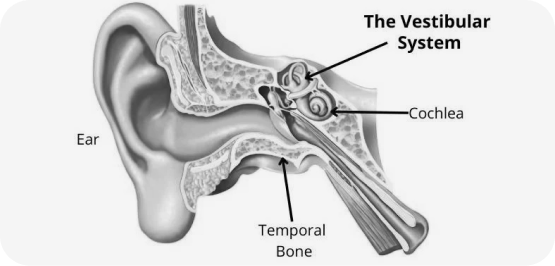
Vestibular system
This is the sense of balance and movement, located in the inner ear. It tells the brain when we are moving, how fast, and in what direction. Children with vestibular processing challenges may appear clumsy, fearful of climbing, or constantly in motion.
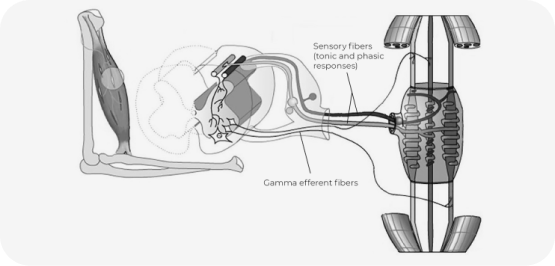
Proprioceptive system
This is the sense of body awareness. Sensors in muscles and joints tell the brain where the body is in space. Children with weak proprioception may press too hard on a pencil, bump into walls, or crave deep pressure through hugs or heavy lifting.
When all seven sensory systems work together, the result is smooth, automatic regulation. A child can sit upright at a desk without thinking about it, filter out background noise while listening to the teacher, and transition calmly between activities. Their nervous system operates like a finely tuned orchestra.
But when sensory integration is poor, the orchestra is out of sync. One instrument might be too loud (a child hypersensitive to sound), while another is too quiet (a child under-responsive to movement). The brain cannot keep everything balanced, so behaviors emerge: fidgeting, avoidance, meltdowns, or constant movement.
These behaviors are often misunderstood. For example, a child who constantly chews on clothing strings or pencils may be seeking proprioceptive input to feel calm. A child who runs laps around the playground may not be “hyperactive” but is regulating an underactive vestibular system. A child who refuses to wear certain clothing is not “picky” but overwhelmed by tactile sensitivity.
As we’ve explained in our article on:

Children often use movement and sensory play to cope with neurological imbalance. Similarly, children described as “clumsy” may actually be showing signs of poor sensory integration, as discussed in our post on clumsiness and brain development.
Understanding sensory integration allows parents and educators to reframe these behaviors not as defiance but as coping mechanisms. With the right support, children can build stronger sensory foundations and experience less stress in their daily lives.

Why sensory integration matters
Sensory integration refers to the brain’s ability to take in sensory information from the environment and the body, interpret it correctly, and respond in a way that is purposeful and adaptive. It is not just about the five senses—sight, sound, touch, taste, and smell—but also two additional sensory systems that play a vital role in childhood development:
- Vestibular system: This is the sense of balance and movement, located in the inner ear. It tells the brain when we are moving, how fast, and in what direction. Children with vestibular processing challenges may appear clumsy, fearful of climbing, or constantly in motion.
- Proprioceptive system: This is the sense of body awareness. Sensors in muscles and joints tell the brain where the body is in space. Children with weak proprioception may press too hard on a pencil, bump into walls, or crave deep pressure through hugs or heavy lifting.


But when sensory integration is underdeveloped or disrupted, the child’s nervous system struggles. Everyday experiences—like the hum of fluorescent lights, the scratch of clothing tags, or the sudden change from one activity to another—become overwhelming. Instead of focusing on a math lesson, the child may be wriggling to self-regulate. Instead of enjoying a birthday party, they may retreat from the noise and chaos. To the outside world, it looks like a behavior problem. In reality, it is the brain’s desperate attempt to cope with unbalanced sensory input.
This is not just a niche developmental issue. Sensory integration underpins everything: learning, motor skills, emotional regulation, and social success. If a child cannot properly process sensory information, they will struggle in multiple domains of life. That’s why understanding the relationship between sensory integration and primitive reflexes is so important.
Primitive Reflexes
What is the foundation of sensory development
Primitive reflexes are automatic movements present from birth. They help babies survive before conscious control develops—supporting breathing, feeding, and early brain-body connection.
Examples include the rooting reflex (finding food), the Moro reflex (startle response), and the grasp reflex (holding a finger). As the brain matures, these reflexes should fade, making way for voluntary skills like eating, crawling, standing, and walking.
When reflexes don’t integrate, they act like outdated programs running in the background. This can interfere with movement, attention, and learning, leading to behaviors like toe-walking, slouching, or constant fidgeting.
Specific retained reflexes cause challenges:
Moro reflex → constant fight-or-flight, anxiety, distractibility
ATNR (“fencing reflex”) → difficulty crossing midline, impacts reading and writing
STNR → poor posture, “W-sitting,” trouble focusing
TLR → balance and coordination issues
- Spinal Galant → fidgeting, bedwetting.
These reflexes are the foundation of higher brain development. If they stay active, the brain uses energy to manage survival responses instead of learning—so a child may seem bright at home but struggle with focus or following instructions at school.

How retained reflexes disrupt sensory integration
When primitive reflexes remain active past infancy, they create constant interference in the nervous system. It’s like asking a child to concentrate on schoolwork while a loud alarm keeps ringing in the background. The brain spends so much energy suppressing these reflexes that it has little capacity left for focus, learning, or emotional regulation.
Children in this situation are not lazy or inattentive—they are neurologically overburdened. The signs often appear in fine motor skills, posture, attention, and even emotional regulation.

Impact on fine motor skills
Fine motor control—tasks like handwriting, buttoning clothes, or tying shoelaces—requires smooth communication between both sides of the brain and body. When reflexes such as the ATNR or STNR remain active, they disrupt this coordination.
For instance, a child with a retained ATNR may find it nearly impossible to write across a page. Every time they turn their head, their arm wants to extend, breaking their writing flow. As explained in our piece on the fencing reflex and ATNR development, this reflex can cause handwriting delays, frustration with reading, and difficulty in sports requiring bilateral coordination.
Similarly, a retained STNR makes sitting at a desk a challenge. The child may slump forward, slide off their chair, or fidget endlessly because their posture feels unstable. What looks like restlessness is often the body struggling against an unintegrated reflex.
Over time, these motor challenges affect confidence. A child who cannot write neatly or tie their shoes may feel “behind” compared to peers, creating a ripple effect into self-esteem and classroom engagement.

Impact on attention and learning
Attention is not just about willpower—it depends heavily on neurological efficiency.
A child with retained reflexes must devote cognitive energy to maintaining posture, filtering noise, and suppressing automatic movements.
That leaves little left for focusing on a lesson, solving problems, or remembering instructions.

A classic example is seen in children who toe walk. As we explore in our article on toe walking and neurodevelopmental disorders, this behavior is often linked to retained reflexes such as the TLR. Toe walking requires constant postural adjustments, draining attention and making seated learning even harder. In classrooms, this may present as daydreaming, frequent movement, or difficulty following multi-step instructions. Teachers may suspect ADHD, but in many cases, the underlying issue is neurological immaturity caused by reflex retention.
Impact on emotional
regulation
Emotional resilience is another casualty of reflex retention. The Moro reflex, for instance, is a primitive startle response. When it persists, the nervous system is stuck in a state of heightened alertness. Children may be quick to cry, easily startled, or constantly anxious. Loud noises, unexpected changes, or even bright lights can trigger fight-or-flight responses.
In our article on compensation and brain development, we explain how the nervous system creates “workarounds” to manage this stress. But compensations come at a cost: chronic fatigue, emotional outbursts, and reduced capacity to learn.
Parents often describe these children as “sensitive” or “moody,” but the truth is that their nervous system is working overtime just to stay balanced. Without support, this constant stress can contribute to anxiety disorders, poor sleep, and difficulties forming peer relationships.

The effects of retained reflexes are not limited to one domain—they spill across movement, learning, and emotions. This is why identifying and addressing them early is so critical. Left unchecked, they can compound into behavioral labels, learning struggles, and low self-esteem.
Sensory integration and neurodevelopmental disorders
Primitive reflex retention and poor sensory integration don’t exist in isolation. They are closely tied to patterns we see in common neurodevelopmental disorders. While not every child with reflex retention will have a diagnosis, and not every child with a diagnosis will have reflex issues, the overlap is significant. Understanding this connection helps parents and educators see behavior not as “random” but as part of a neurological picture.
ADHD and reflex retention
Attention Deficit Hyperactivity Disorder (ADHD) is often described in terms of distractibility, impulsivity, and hyperactivity. But underneath these symptoms are often signs of retained reflexes. For example, a child with an unintegrated STNR may find it impossible to sit upright for long periods. Their body slouches, fidgets, or collapses, making them appear restless. Similarly, a retained Moro reflex may leave them hypersensitive to noise and movement in the classroom, constantly scanning instead of focusing.
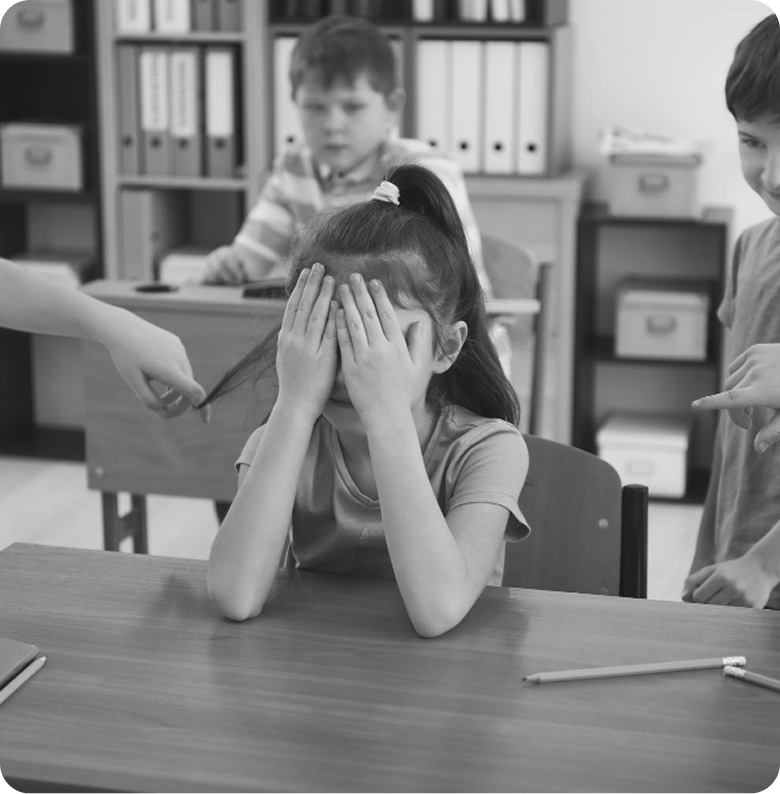

This is why some children with ADHD can hyperfocus at home in a calm environment but struggle in class. Their nervous system is overloaded. As we’ve discussed in our article on inattention and brain reorganization, what looks like a concentration problem may actually be a neurological immaturity caused by reflex retention.
Autism spectrum disorder and sensory processing
Children on the autism spectrum often have heightened sensory sensitivities and motor planning challenges. Studies have found higher rates of retained primitive reflexes among autistic children, which may explain why they struggle with coordination, postural control, or tolerance of sensory input.
For instance, a retained ATNR can make it difficult to cross the midline, affecting reading, writing, and even simple play activities.
A retained Moro reflex may amplify sensory sensitivities, making environments with loud sounds, bright lights, or unexpected touch overwhelming. Parents frequently describe meltdowns in crowded places, which align with a nervous system in constant fight-or-flight mode.
These connections highlight why therapies that target reflex integration can be so beneficial for children with autism. Instead of addressing only the behavioral surface, they work on the neurological foundation.

Sensory processing disorder
Not every child with sensory challenges meets criteria for ADHD or autism. Many are diagnosed with Sensory Processing Disorder (SPD), where the brain struggles to interpret sensory signals consistently. Reflex retention is a common contributor here.
Children with SPD may swing between sensory seeking—crashing into furniture, spinning, chewing—or sensory avoiding—covering ears, refusing certain clothes, avoiding movement. These behaviors are attempts to balance an underdeveloped nervous system. In our article on sensory seeking behavior, we explain how such behaviors are not random but reflect deeper integration needs.
The overlap with reflex retention is clear: when the nervous system is stuck managing outdated reflex patterns, sensory input becomes harder to process, leading to unpredictable reactions.
Why this connection matters
Recognizing the overlap between neurodevelopmental disorders and reflex retention doesn’t replace medical diagnoses—it enriches them. Instead of focusing only on behavior management, parents and educators can explore whether reflex integration and sensory processing support might reduce symptoms at the root level.
For example, a child struggling with impulsivity may benefit not only from classroom strategies but also from exercises that integrate the Moro reflex. A child with autism who avoids eye contact may make progress with postural and vestibular activities that stabilize their nervous system. And a child labeled “clumsy” may simply need support in integrating the TLR or ATNR before their coordination improves.
Strategies to improve sensory integration through brain reorganization
When a child struggles with sensory integration and retained reflexes, parents often feel powerless. But the truth is that the nervous system is not fixed—it’s plastic. With the right kinds of movement and sensory input, reflexes can be integrated and new neural pathways built. This process, known as brain reorganization, helps children move from survival-based functioning into higher-level regulation and learning.

Movement-Based Exercises
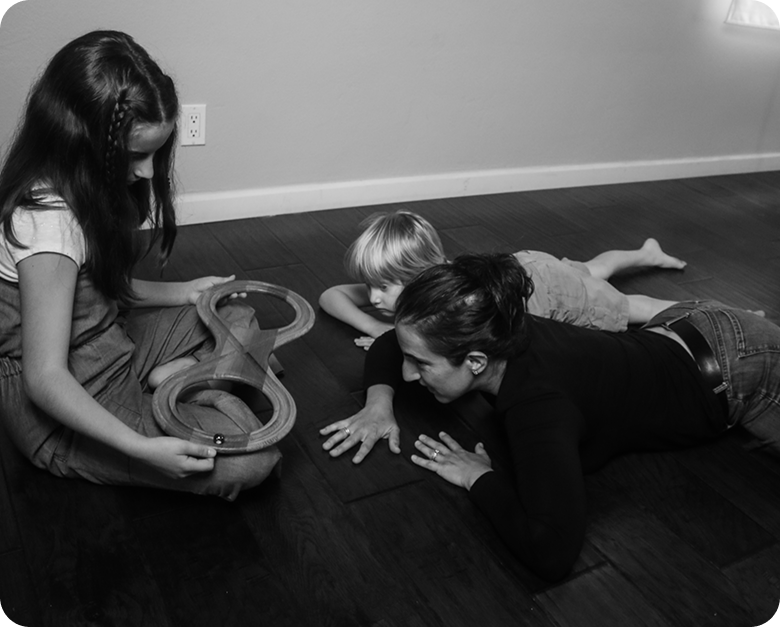
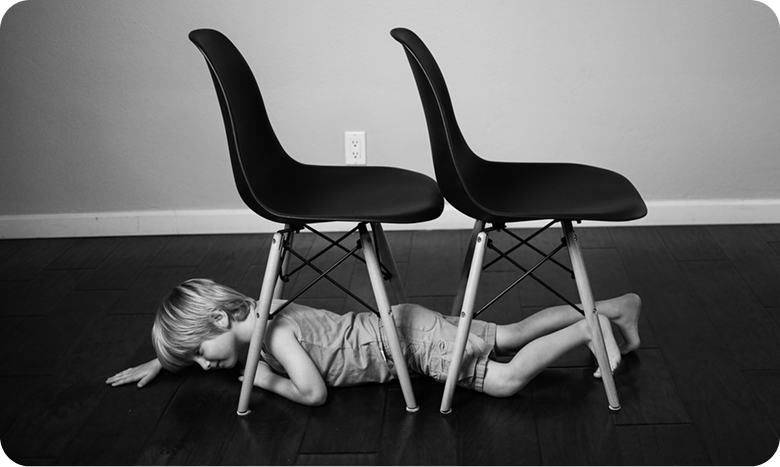
Movement is the language of the developing brain. The same kinds of movements babies use in the first year of life—rolling, crawling, creeping, rocking—remain powerful tools for reorganizing the nervous system later.
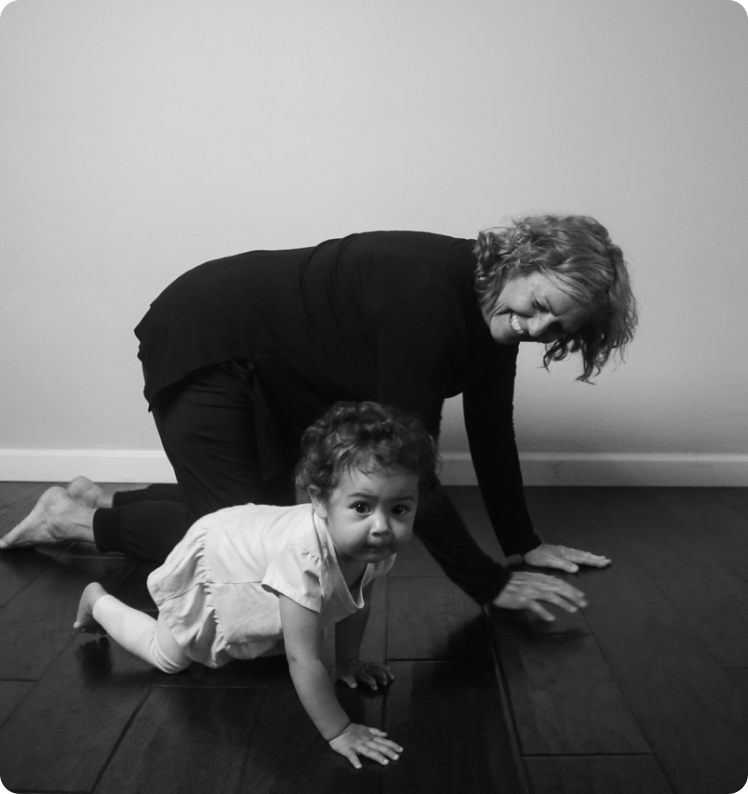
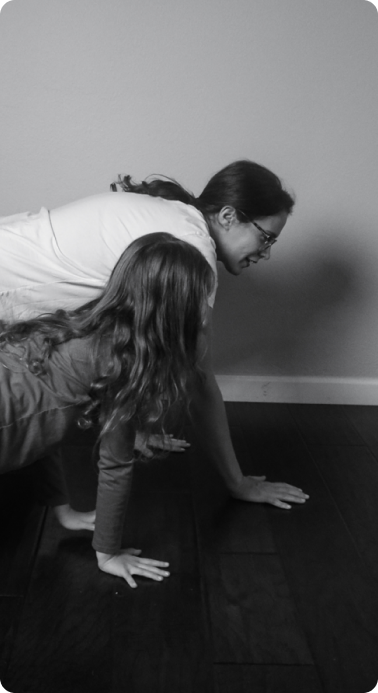
For example, practicing crawling on hands and knees strengthens cross-lateral coordination, helping the two hemispheres of the brain communicate more efficiently. Creeping on the belly supports integration of the STNR, laying a foundation for improved posture and focus. Rhythmic rolling patterns help calm the nervous system and reduce the hypervigilance caused by the Moro reflex. Parents can encourage children to incorporate these movements into play: crawling through tunnels, rolling across mats, or playing animal games like “bear walks” and “crab walks.” These activities aren’t just fun—they replicate the developmental patterns that support reflex integration. As we describe in our article on toe walking, simple physical activities can have profound effects on neurological maturity when they target the root cause rather than just the symptom.
Heavy Work and Proprioceptive Input
Another powerful category of activities is “heavy work”—tasks that engage muscles and joints with resistance. Pushing, pulling, carrying, or climbing provides deep proprioceptive input that helps regulate sensory systems.
Children who crave movement or pressure often find immediate calm after heavy work. Carrying groceries, pushing a laundry basket full of toys, or climbing playground equipment are natural ways to provide this input. In classrooms, strategies like wall push-ups or chair push-downs can give kids an outlet without disrupting learning.
Heavy work also supports attention by organizing the nervous system. Instead of constantly fidgeting, the child’s body feels grounded, freeing the brain to focus on cognitive tasks.
Vestibular and balance activities
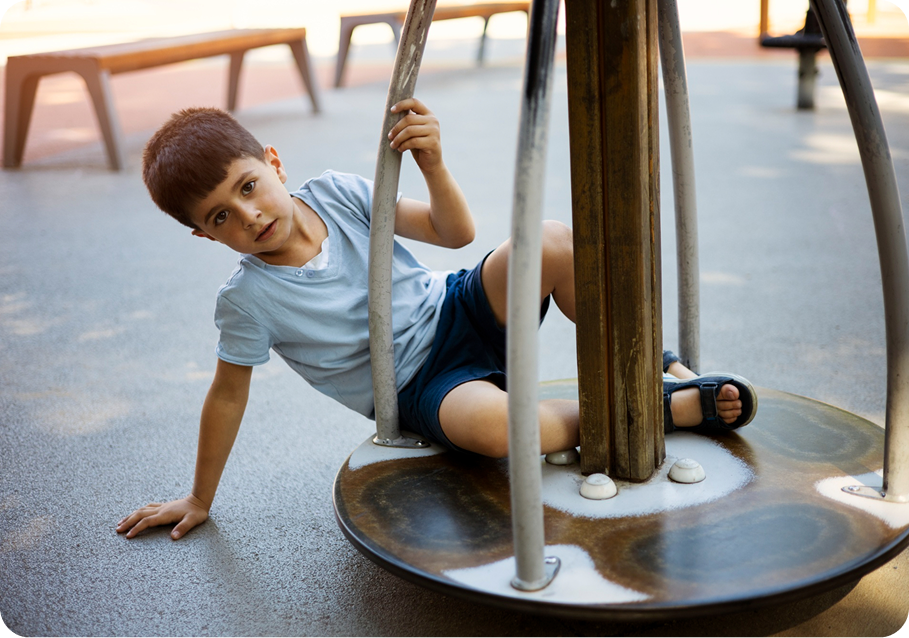
The vestibular system is the foundation for coordination, eye tracking, and attention. Activities that challenge balance—like swinging, spinning, rocking, or walking on uneven surfaces—help regulate this system.
Simple games like balancing on a beam, hopping on one foot, or spinning slowly in a swing can strengthen vestibular integration. For children who are overly sensitive, activities should start gently, gradually increasing intensity. For children who are under-responsive, more vigorous movement may be necessary.
Our post on clumsiness and brain development explains how poor vestibular integration often shows up as frequent tripping, stumbling, or difficulty with sports. Improving balance through play-based movement can dramatically change these patterns.
Brain reorganization programs
While exercises are essential, the environment also plays a major role in sensory regulation. Classrooms and homes full of noise, clutter, and unpredictable transitions can overwhelm children with sensory integration challenges.
Practical steps include:
- Scheduling frequent movement breaks during seated tasks.
- Reducing background noise or visual clutter.
- Providing sensory tools such as weighted blankets, chewable jewelry, or fidget tools.
- Using structured routines to minimize the stress of transitions.
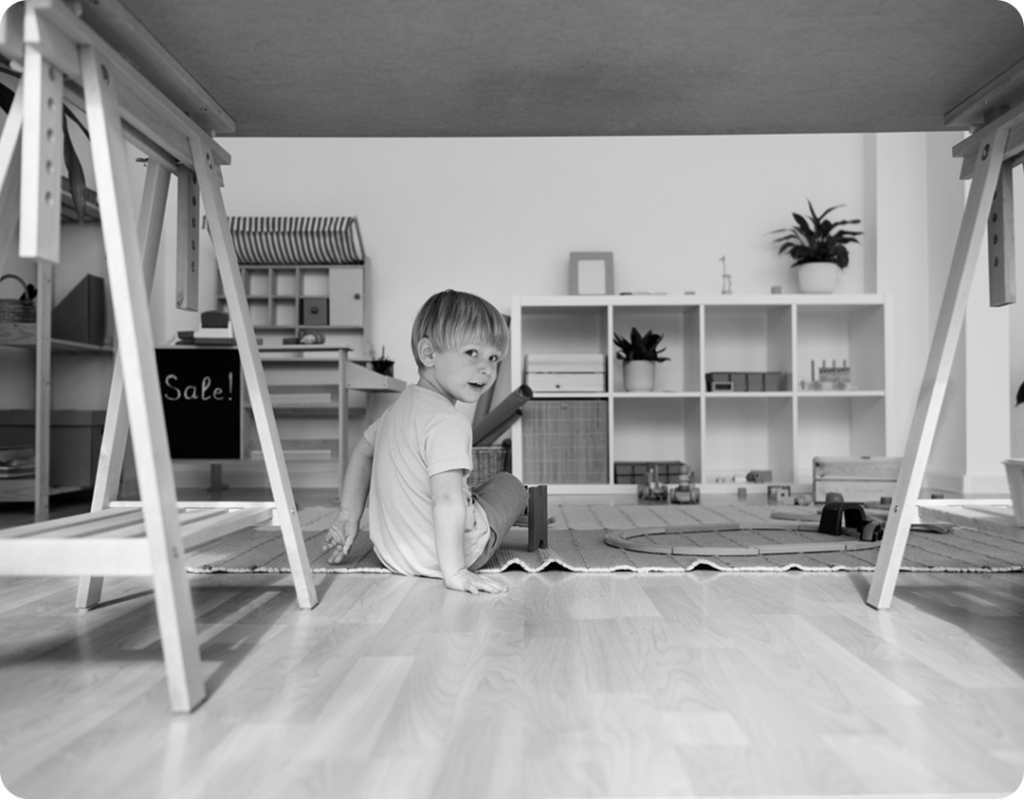
Parents often discover that small environmental changes—like dimming lights or building in a short walk before homework—reduce meltdowns and improve focus. These adjustments are not indulgences; they are strategies that give the nervous system a fighting chance to stay regulated.
Brain reorganization programs
While home strategies are helpful, some children need structured programs to make lasting change. Brain reorganization programs are designed to systematically integrate reflexes and strengthen sensory pathways through carefully sequenced movement patterns.
At In the Cortex, our Brain Reorganization Program uses guided routines that replicate early developmental stages. Families receive assessments of reflex retention, customized exercise plans, and ongoing support to ensure progress.
This approach goes beyond symptom management. Instead of telling a child to “sit still” or “pay attention,” it helps their nervous system mature to a point where sitting still and paying attention come naturally.
As we noted in our article on compensation, many children create workarounds to mask reflex retention. Brain reorganization programs replace these fragile compensations with genuine integration, freeing up energy for learning and emotional growth.
The Evidence for Integration
Research supports the impact of reflex integration on attention, motor skills, and behavior. Studies have found that rhythmic movement programs improve academic performance, reduce anxiety, and enhance coordination. Parents frequently report that after consistent practice, their children are calmer, more confident, and more successful in school.
The science is clear: the nervous system can change. With persistence and the right guidance, even long-standing reflex retention can be addressed.

Early sensory development and breastfeeding
One of the earliest and most powerful sensory experiences a baby has is feeding. Breastfeeding is not only about nutrition; it is also a multisensory event that shapes the nervous system. The rhythmic sucking, the skin-to-skin contact, the gentle rocking, and the eye-to-eye bonding all provide crucial tactile, vestibular, and proprioceptive input.


Early sensory experiences have a profound impact on lifelong development. Whether through breastfeeding or other nurturing feeding methods, giving infants consistent multisensory input provides a foundation for balance, attention, and emotional security later in life. For parents who notice early struggles—such as difficulty feeding, excessive fussiness, or delayed milestones—screening for retained reflexes can be a proactive step. As explained in our article on infant reflexes from 0–5 months, early support can prevent challenges from compounding as the child grows.
By the time children reach adolescence, sensory integration and reflex maturity are often overlooked. We assume teenagers should be past early developmental concerns. Yet many youth continue to struggle with coordination, focus, and emotional regulation because their nervous systems never fully integrated primitive reflexes.
For example, a retained TLR may show up in middle school as poor posture, fatigue during sports, or difficulty with balance. A retained ATNR can make handwriting or note-taking slow and exhausting, long after peers have mastered these skills. And the lingering Moro reflex can keep teenagers in a heightened stress state, making them more prone to anxiety or avoidance behaviors.
These challenges directly affect academic performance and social relationships. Students who cannot focus or who are constantly fidgeting may fall behind in school. Those who struggle with coordination may avoid sports or social activities, limiting opportunities for confidence-building and connection.
By framing sensory integration as part of youth empowerment, we broaden the conversation. It’s not simply about helping a child behave in class; it’s about giving the next generation the neurological tools to succeed in every area of life.
Conclusion
Sensory integration and primitive reflexes may sound like technical neurological terms, but in reality, they touch every corner of daily life. They influence whether a child can sit still in class, tie their shoes, play sports with confidence, or manage their emotions when things get overwhelming.
When reflexes remain unintegrated, the nervous system is stuck in survival mode. Children compensate by toe walking,
The good news is that the brain is adaptable. Through targeted movement, supportive environments, and structured brain reorganization programs, children can integrate reflexes and strengthen sensory systems at any age. This transformation isn’t just about reducing symptoms—it’s about unlocking capacity for attention, resilience, and growth.
For parents, the journey often begins with awareness: noticing that clumsiness, inattention, or emotional reactivity might not be “just a phase,” but signs of an immature nervous system. From there, practical steps—whether at home with crawling games and heavy work, or in guided programs like ours at In the Cortex—can make the difference between a child struggling to get by and a child who thrives.
This is especially relevant during moments like World Breastfeeding Week, which reminds us that early sensory experiences matter, and International Youth Day, which calls on us to invest in the next generation. By focusing on sensory integration and reflex maturity, we give children and youth the neurological foundation they need to succeed in school, relationships, and life.
It’s time to shift the conversation. Instead of managing behaviors on the surface, let’s address the root cause. Instead of asking children to work harder, let’s help their brains work smarter.
FAQs
In the Cortex is designed for kids who struggle with attention, behavior, or learning challenges, as well as adults who want better focus, less stress, and improved performance. Parents, teachers, and therapists can also use the program as a practical tool to support brain development and nervous system balance at any age.
Families often see improvements in focus, behavior, coordination, self-esteem and emotional regulation within weeks of consistent practice. Children become calmer, more attentive, and ready to learn, while adults report greater productivity, reduced stress, and sharper concentration.
The program is designed to adapt to your life, not the other way around. We encourage members to adapt the program to whatever works with their schedules! The exercises start at just a few minutes a day with a maximum of 20 minutes per day, making it easy for parents, kids, and professionals to stay consistent and see results without overwhelming their routine. Your child doesn’t have to struggle with hidden neurological barriers. With the right support, the path to calm, focus, and confidence is within reach.


San Diego, CA
Tel: (619) 289 8233
Programs
Resources
Other links